
Do you know where Grand Duke Gediminas is believed to have spent the night when he dreamt his legendary dream of the Iron Wolf?
As you climb up Hill Park from the confluence of the Neris and Vilnia rivers, views of the city gradually unfold. Once you reach the Song Festival Grounds, you can feel its special sense of tranquillity surrounded by pine trees and see that the amphitheatre is currently undergoing renovation. Near the steps leading towards the Three Crosses, you will find the remains of the crosses that were blown up by the Soviets in 1950, after the Second World War, together with an inscription commemorating their construction in 1916.
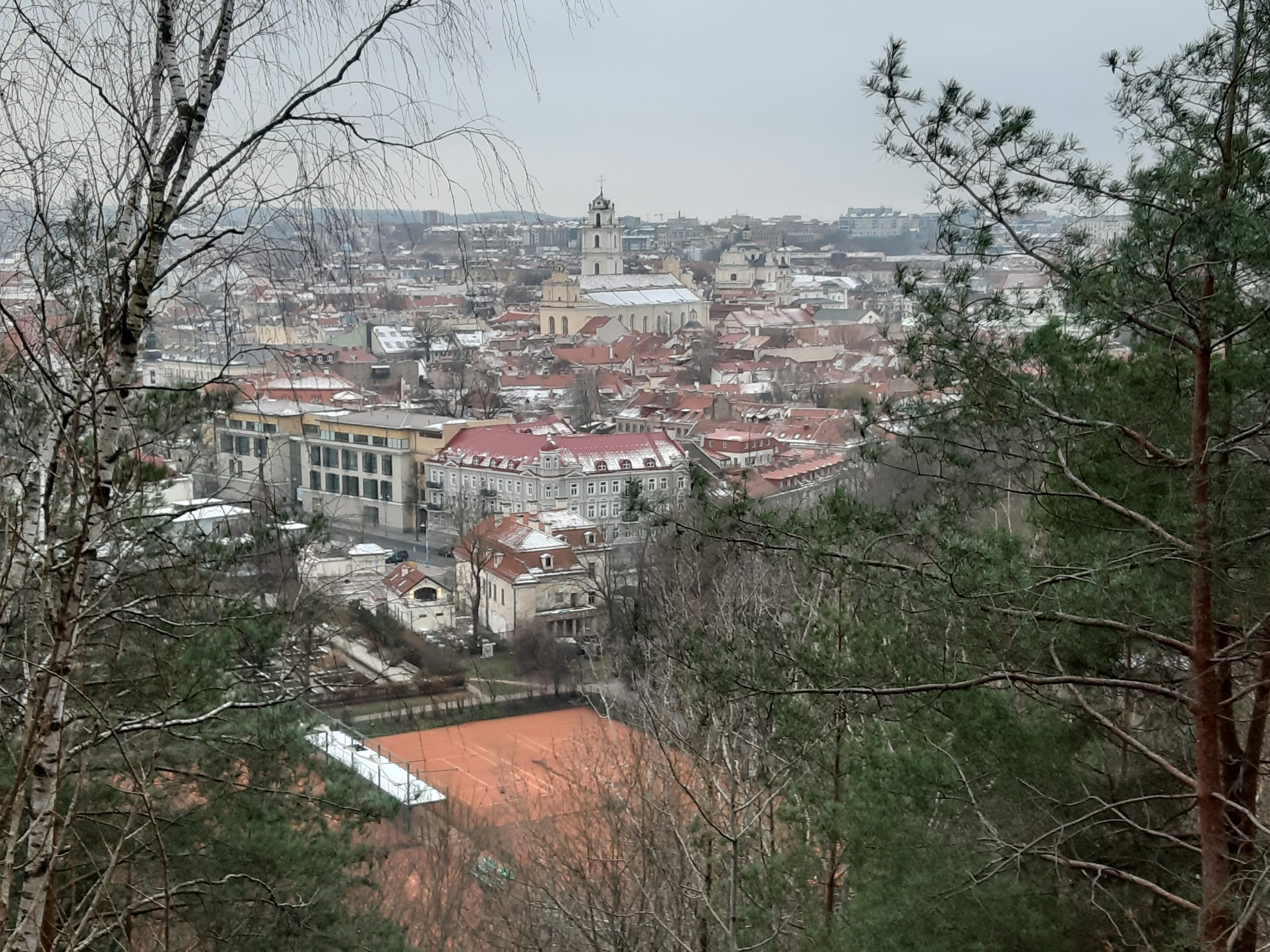
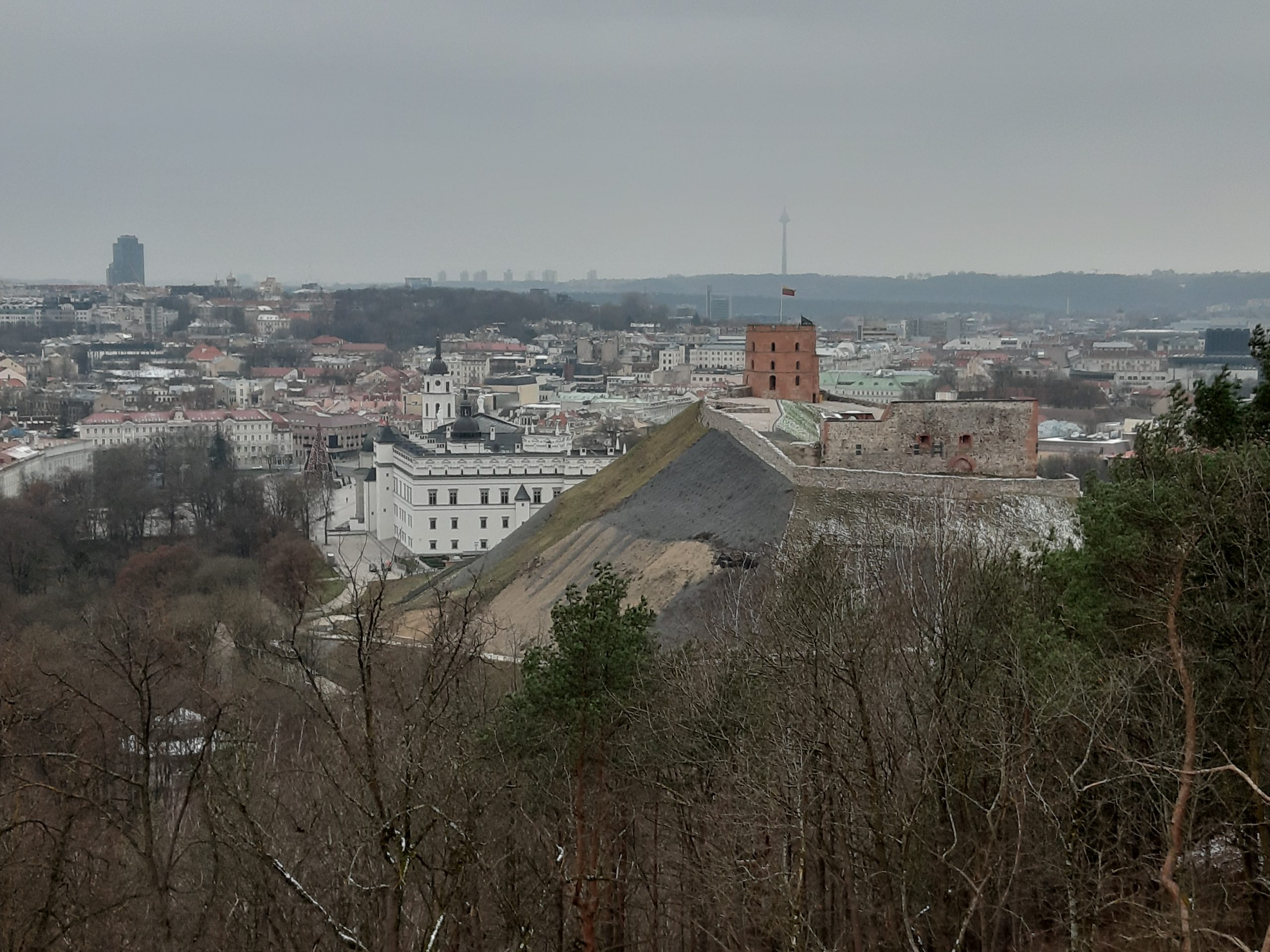
From the Three Crosses viewing platform, enjoy one of the most beautiful views of the city centre. From here, you can see the distinctive features of Vilnius that led to the inclusion of the Old Town on the UNESCO World Heritage List: the irregular network of streets laid out in the Middle Ages; numerous architectural monuments representing different styles, with ensembles of churches and monasteries dominating the cityscape; dense urban development with small courtyards; and red-tiled roofs rising one above another. This expansive panorama captivates with its changing beauty throughout the seasons and at different times of day. Therefore, if you want to better experience and understand the city’s changing “facial expressions”, visiting just once will not be enough – we encourage you to come here more often! This is a wonderful place to share your moods and thoughts with the city, or simply meditate while looking out over a city shaped by people over centuries.
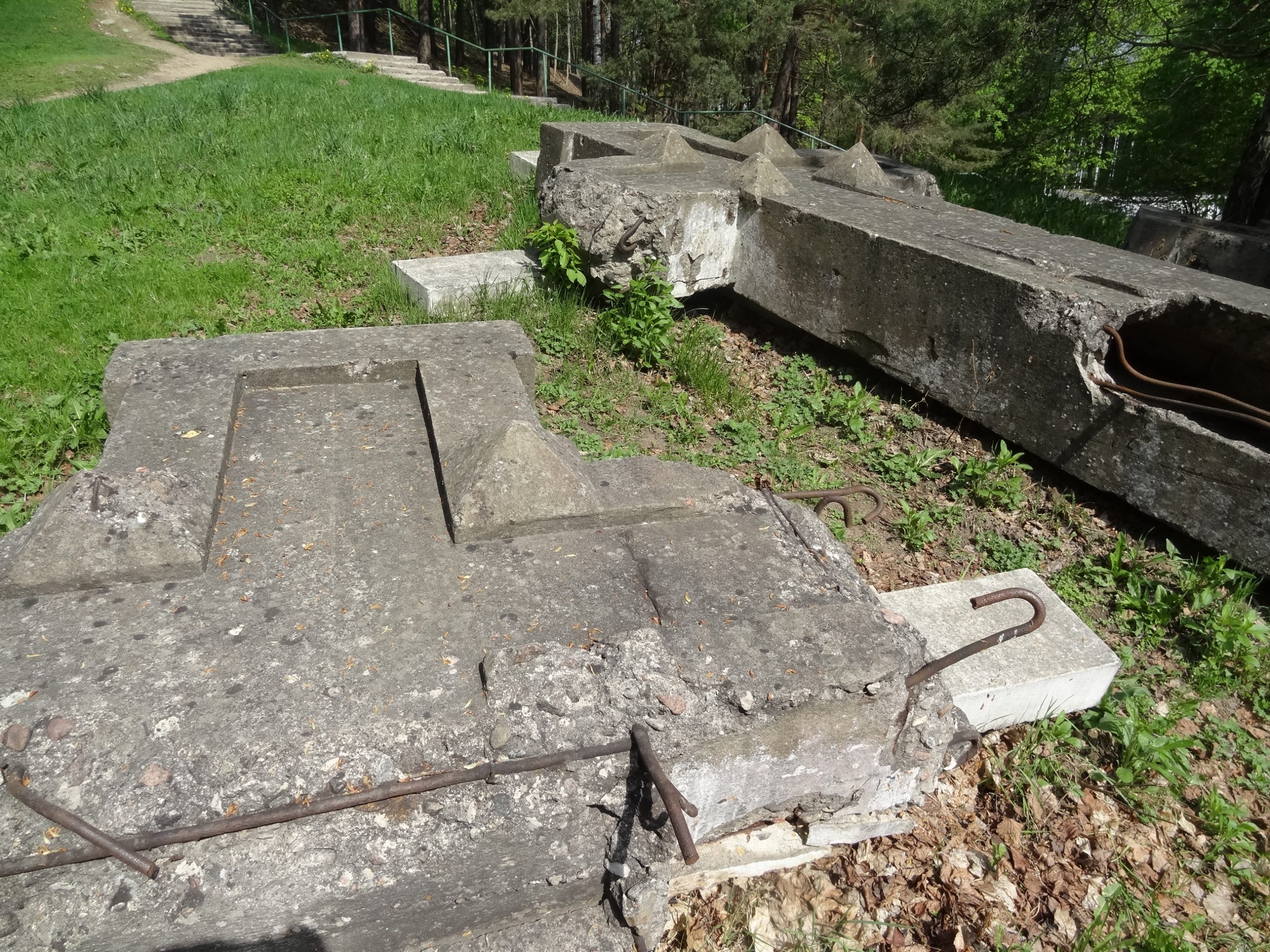
The grandeur of the Three Crosses reveals itself in a different way when standing at their foot. The crosses mark the origins of Christianity in the city. In 1988, when Lithuania’s Reform Movement Sąjūdis began, the remains of the destroyed monument were excavated, and the Three Crosses monument was rebuilt on the old foundations according to the original design. Did you know that parts of the old monument were incorporated into the structure of the new one?
The inscription on the pedestal of the old crosses reads: “PRAYING TO GOD FOR HELP AND PEACE DURING THE TERRIBLE WAR RAGING AGAINST THE CONFESSORS OF CHRIST, THESE CROSSES WERE ERECTED AND CONSECRATED ON THE ORIGINAL SITE IN THE YEAR OF OUR LORD 1916.”
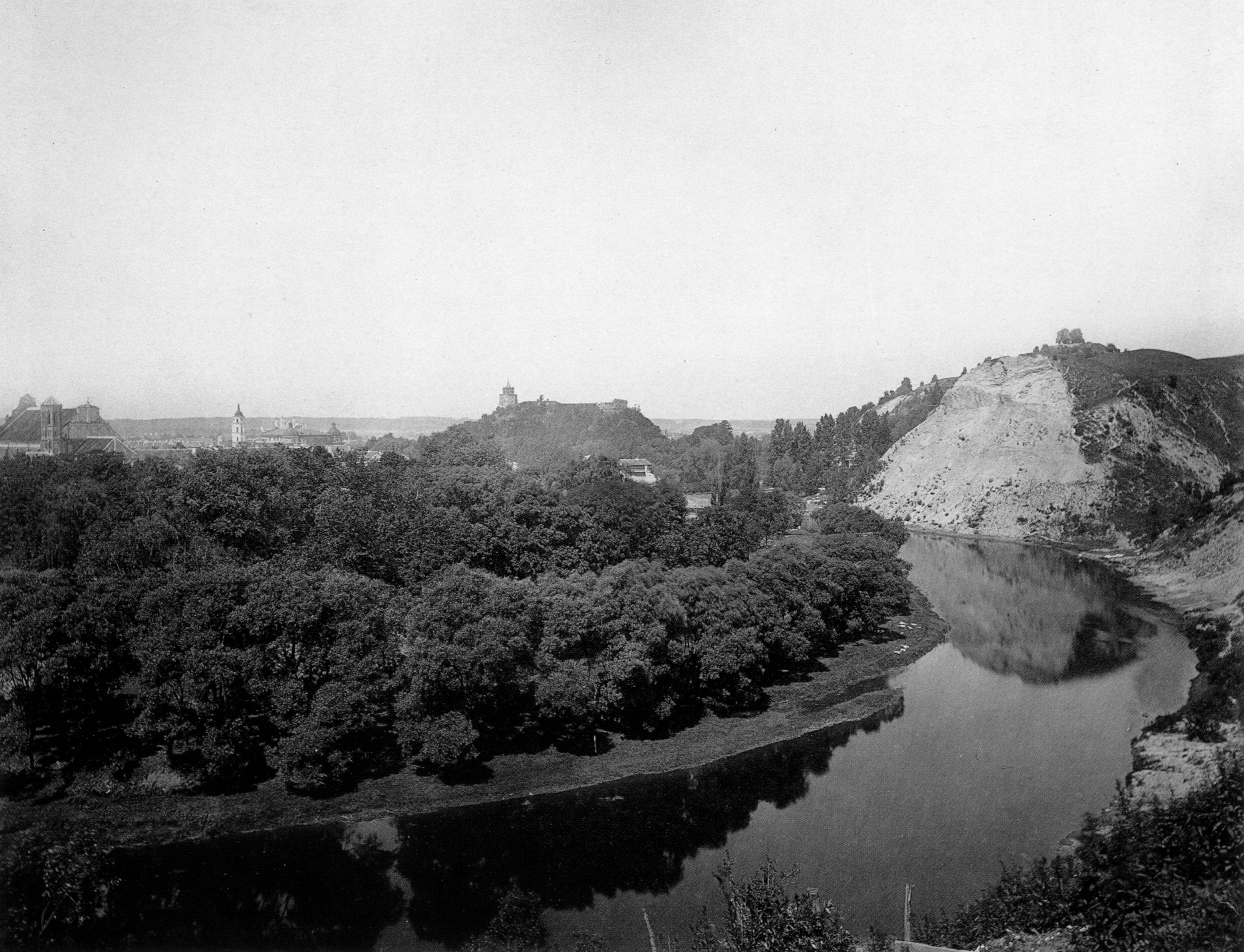
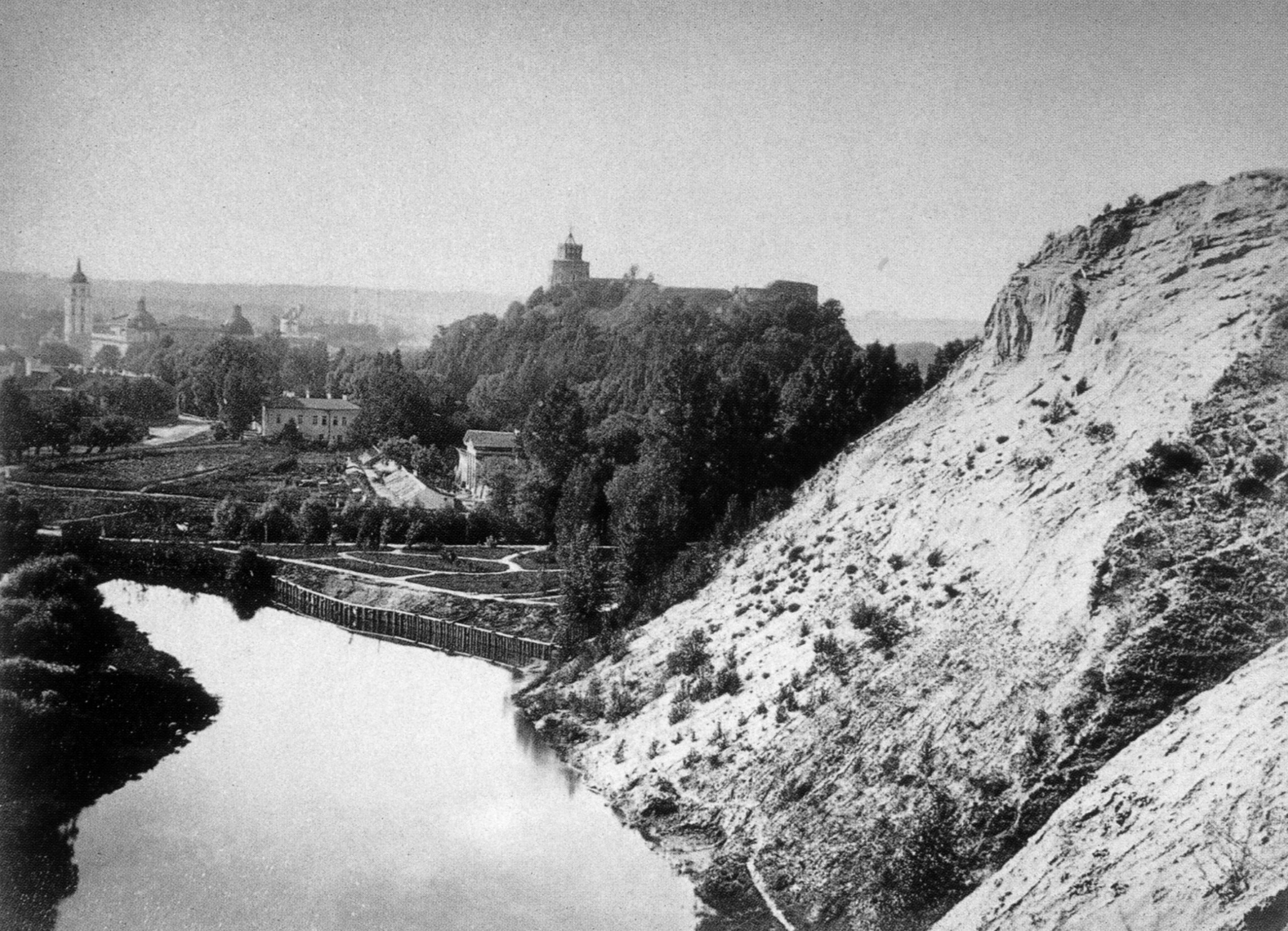
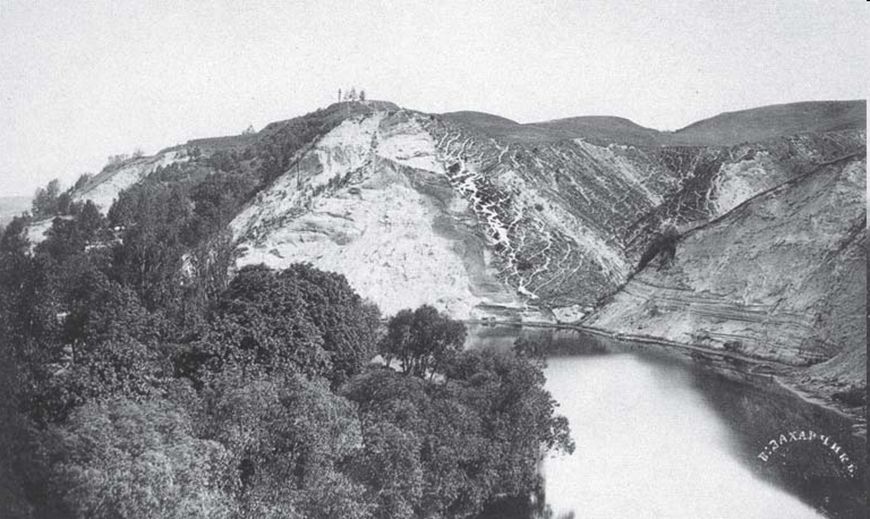
Today, it is difficult to imagine that a wooden settlement with a castle could once have occupied the present-day park, shaped by deep ravines. Nevertheless, if you carefully study old photographs of the city and take your time exploring Hill Park several times, you will begin to sense the uniqueness of this place yourself: its beauty, tranquillity and power, which once sheltered the early inhabitants of Vilnius.
A Changed Landscape. The hilly landscape of Vilnius was formed during the last Ice Age. Over the centuries, the slopes of the hills have repeatedly slipped, while heavy rains, rivers and springs have continuously deepened existing ravines and formed new ones.
Geological studies have established that the upper plateaus of the Three Crosses Hill, as well as those of other hills, were considerably larger than they are today. The southwestern part of Hill Park, continuously eroded by the Vilnia River, has experienced repeated landslides. The landscape of the present-day Song Festival Grounds and Table Hill has also changed considerably. The effects of erosion and the gradual disappearance of the terrain can be clearly observed by examining old photographs.
Find out even more here: Visit Hill Park. Part II and here: Visit Hill Park. Part III.