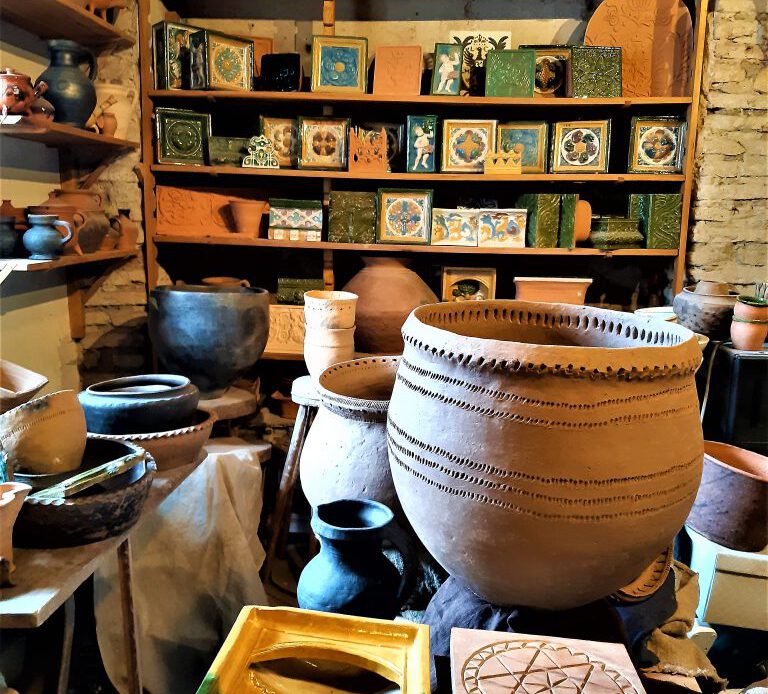
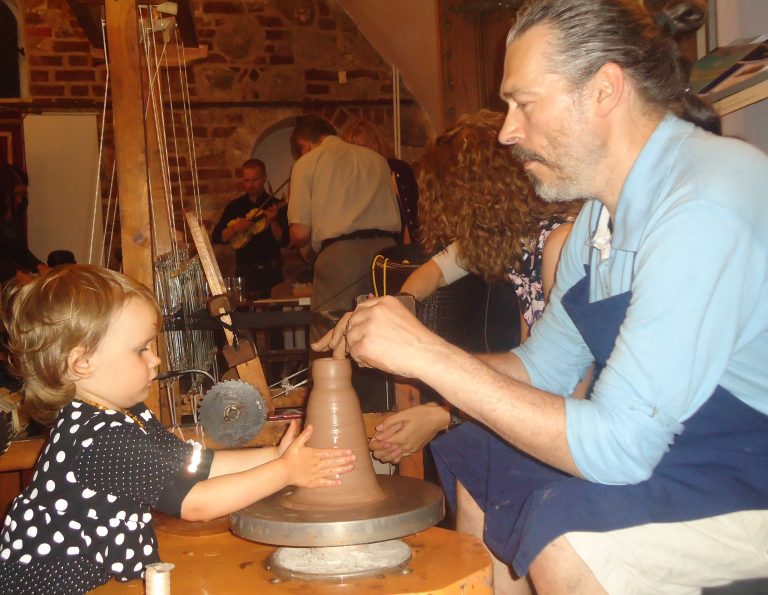
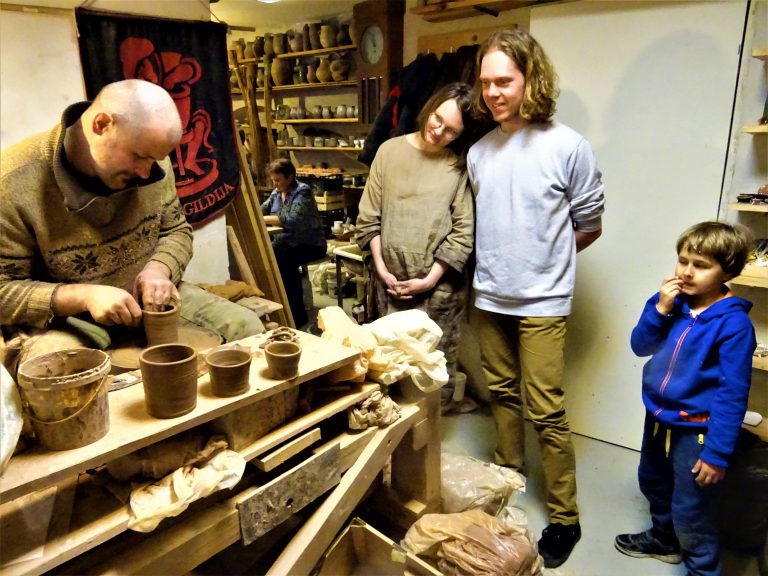
Vilnius Potters’ Guild. Here you can explore reconstructed examples of the oldest Lithuanian and medieval Vilnius ceramics and try your hand at throwing and hand-building replicas of historical ceramics. Particular attention is given to stove-tile making: historical stoves are researched and reconstructed, and demonstrations and educational activities on the ceramics craft are held.
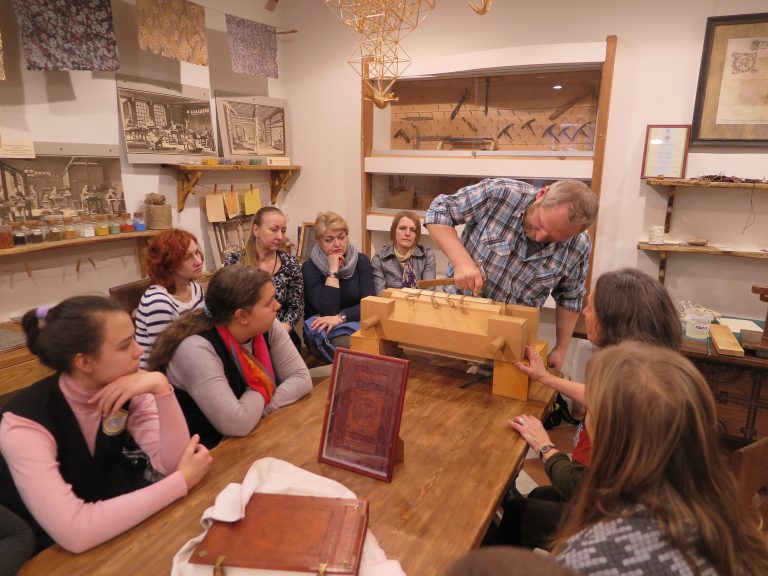
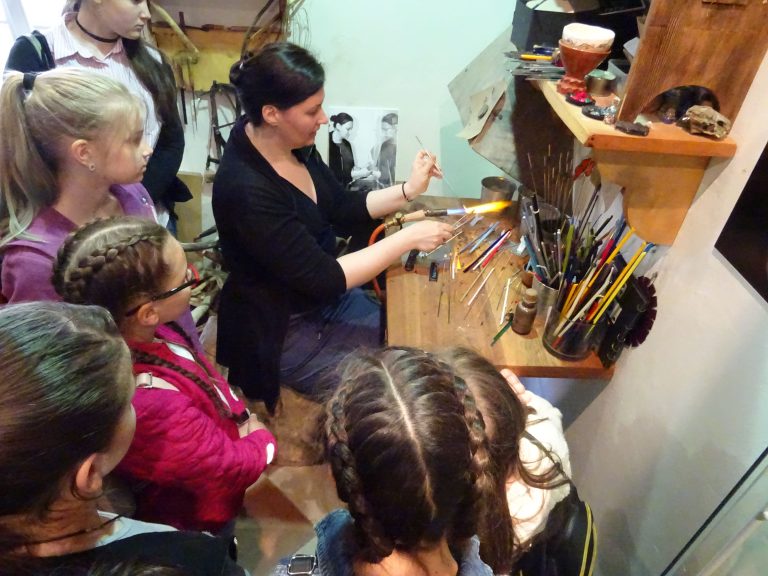
Old Crafts Workshops. Various crafts are presented here, including textiles, weaving, patchwork, spinning, bookbinding, glassmaking, leatherworking and photography. During educational activities, you can experience how different materials and technologies are used to create various objects. Check in advance which educational activities are currently available.
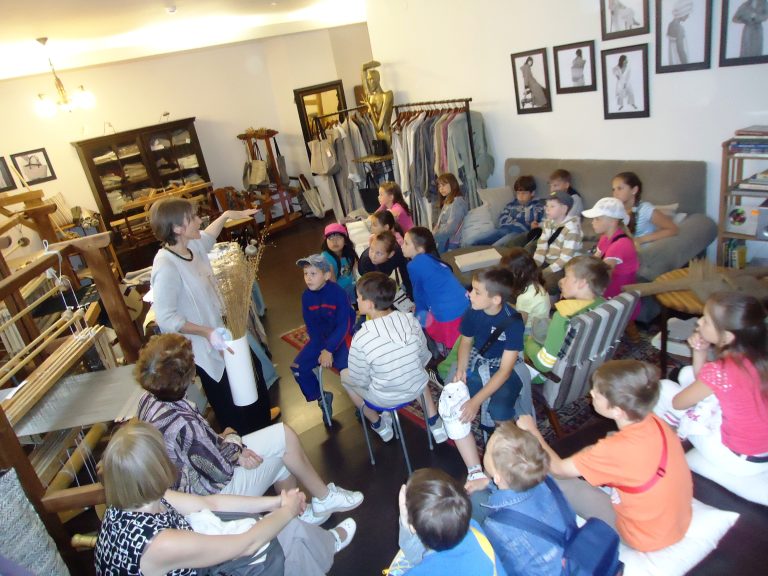
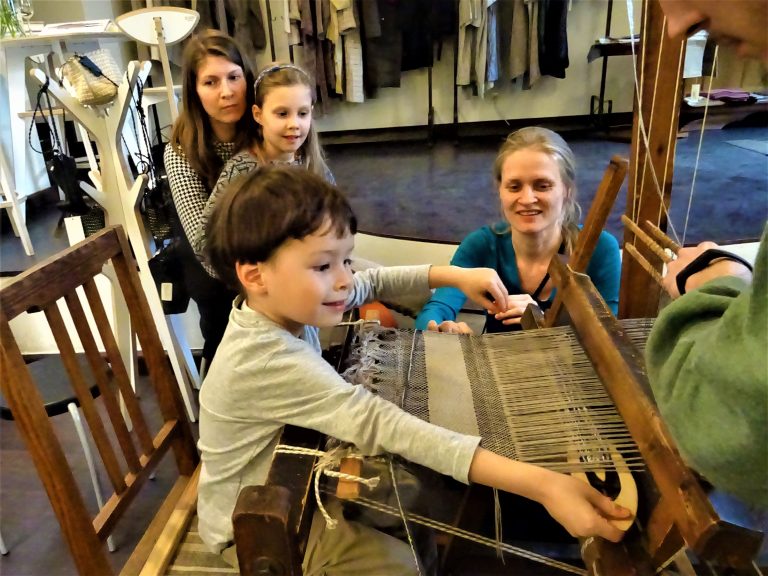
“Jūratė” Weaving Gallery. Here you can learn to weave on handlooms and learn about traditional weaving practices, as well as the cultivation, processing and preparation of flax for weaving. The practical educational activities are particularly suitable and interesting for children.
“Jūratė” products combine traditional and modern materials and technologies.
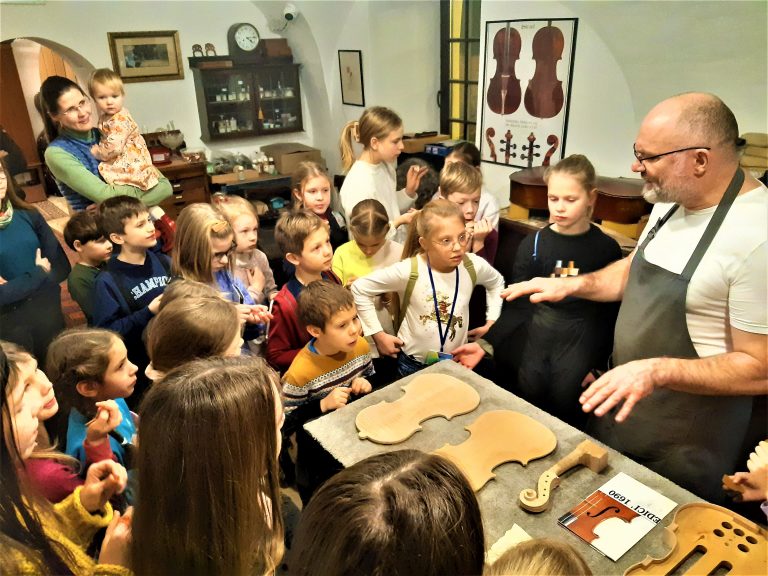
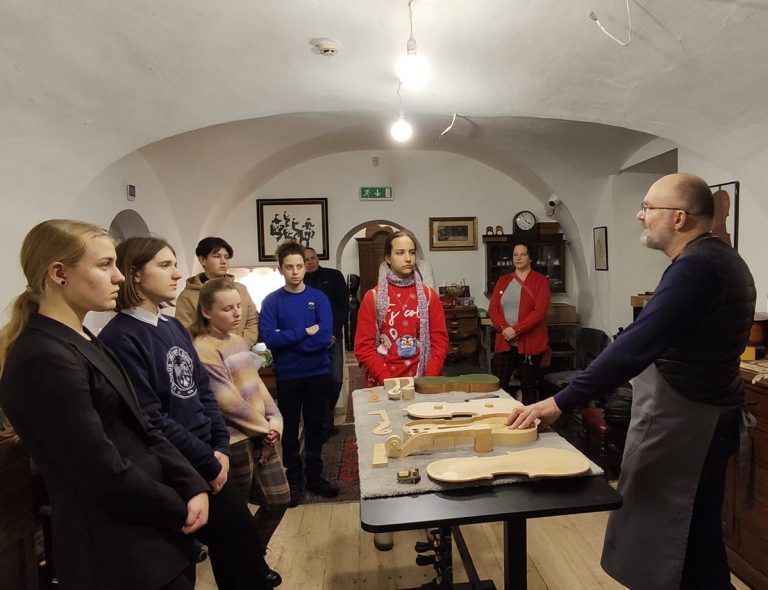
G. Rūkas’s “Violin and Bow Workshop”. The workshop’s founder, string instrument restorer and maker Gerardas Rūkas, introduces visitors to the processes of making string instruments, the tools used, the selection of wood, instrument care and the most common types of damage.
Practical violin-making training sessions are held at the workshop, and instruments are also restored. The master studied instrument making at South Thames College in England and spent a further four years learning the techniques of instrument restoration from a private teacher, Keith Graves.
After returning to Lithuania in 2019, he opened this workshop in 2022.
5. “Vilnensis” Jewellery School, 7/20 Dominikonų St.
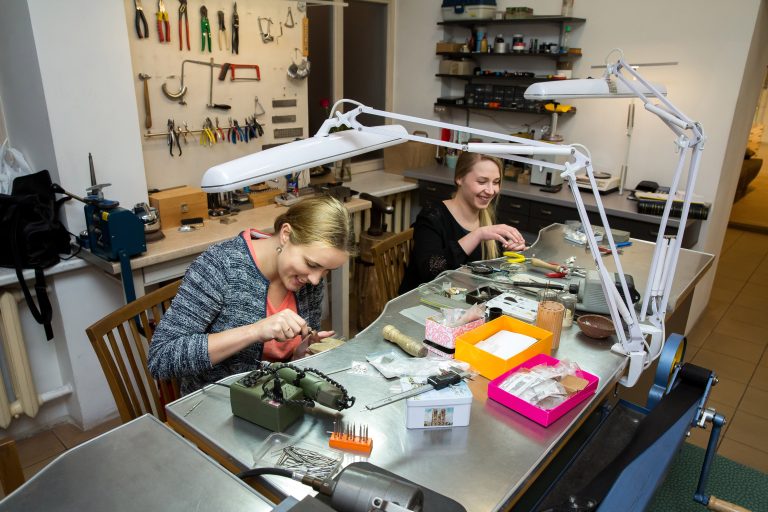
“Vilnensis” Jewellery School. The school was founded by Darijus Gerlikas after returning from his studies and internship in Florence, where he trained in the workshop of the Chiller family of jewellers, whose family tradition dates back to the 19th century.
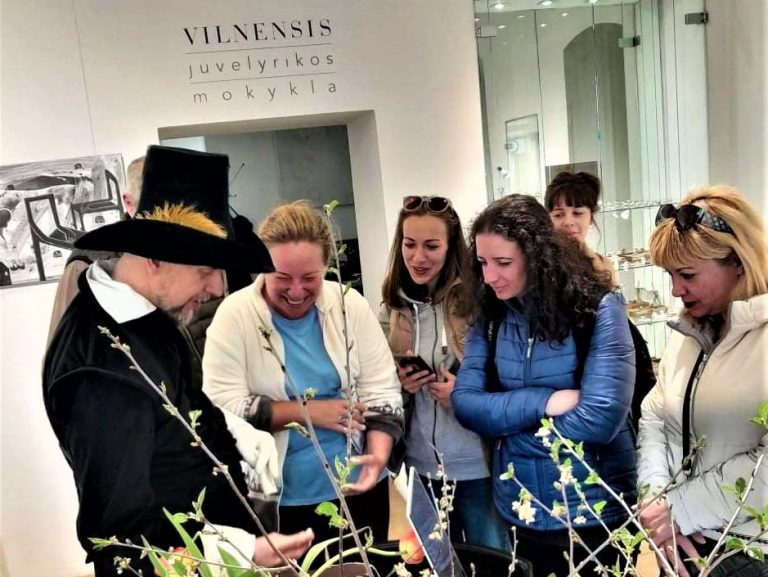
Here, works of jewellery art are created before visitors’ eyes, students undertake intensive training, and exhibitions are changed every month. The jeweller demonstrates the working process and introduces visitors to jewellery materials and gemstones, their properties, methods of setting them, and their significance in jewellery.
6. Craft Guild (Ceramics Workshop), 3 S. Skapo St.
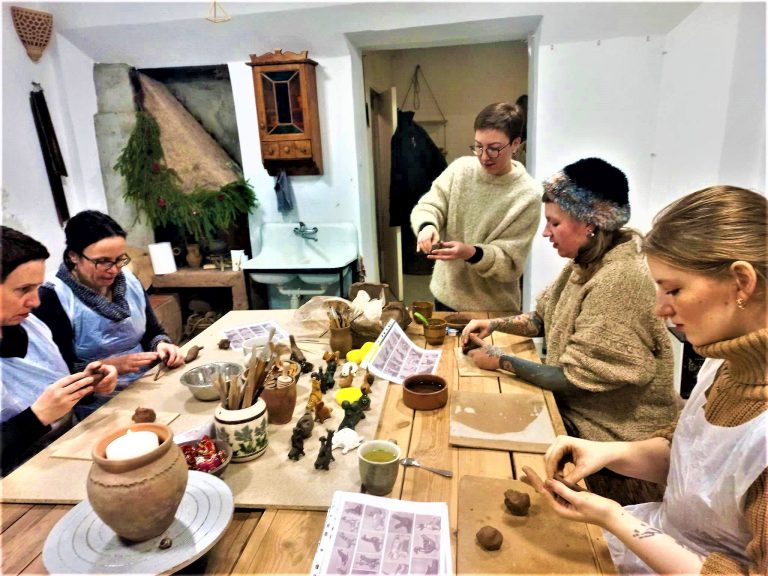
Craft Guild (Ceramics Workshop). Here you can observe and take part in the pottery-making process. The craftspeople use traditional tools for hand-building, throw pottery on a foot-powered potter’s wheel, and use traditional methods for glazing and decoration.
The open workshop-gallery aims to revive and preserve the traditions of the ceramics craft.
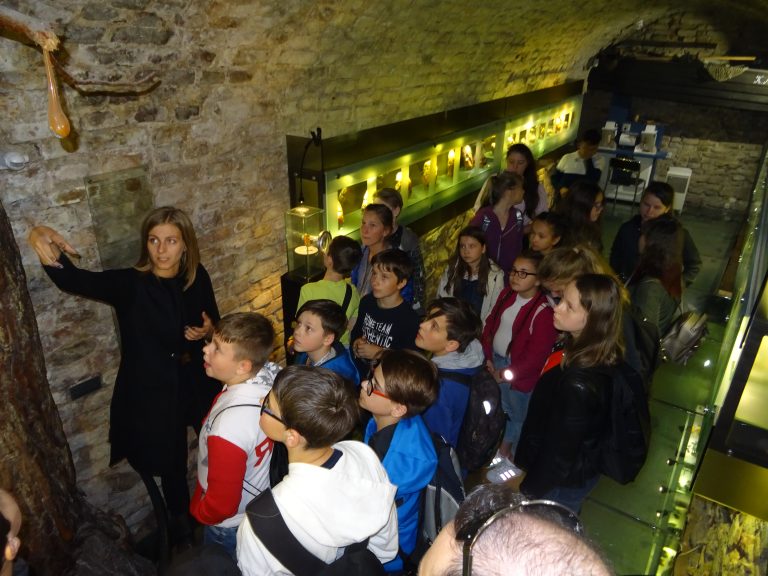
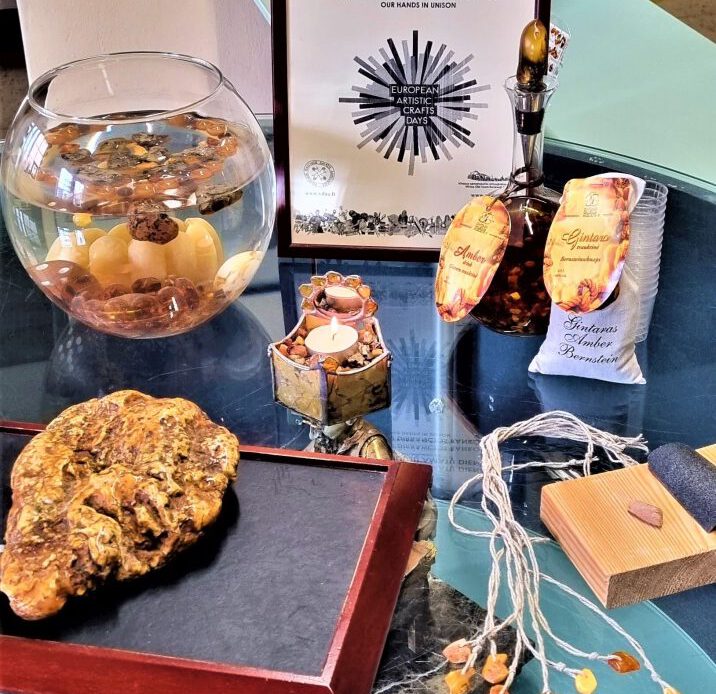
Baltic Amber Art Centre. The centre presents the history of amber formation in an artistic way, as well as a unique and impressive collection of Baltic amber and authentic examples of inclusions. Here you can learn about the amber processing process, ancient rituals involving amber, and make your own amber amulet. The centre organises seminars and exhibitions. Baltic Amber Art Centre
8. “Sauluva” Gallery, 36 Pilies St./3 Literatų St.
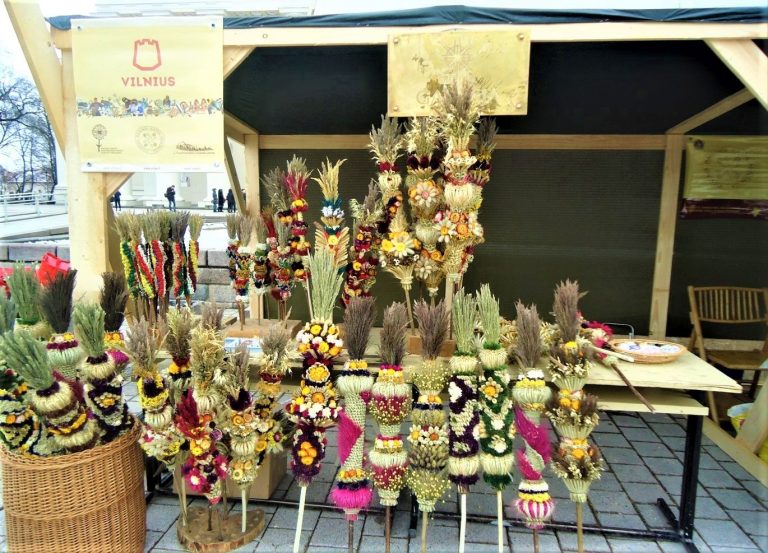
“Sauluva” Gallery. This is one of the oldest folk art galleries in Vilnius, established in 1991 and dedicated to preserving the traditional crafts of Lithuania and the Vilnius region. Here, craftspeople demonstrate traditional palm weaving, wax-resist egg decoration, and the making of straw gardens, and teach those who wish to learn these crafts. Palm weaving is a traditional craft unique to the Vilnius region, while straw gardens are a disappearing element of traditional Lithuanian home decoration. Sauluva Gallery
9. “Nauja Sirena” (Leather Gallery), 9 Aušros Vartų St.
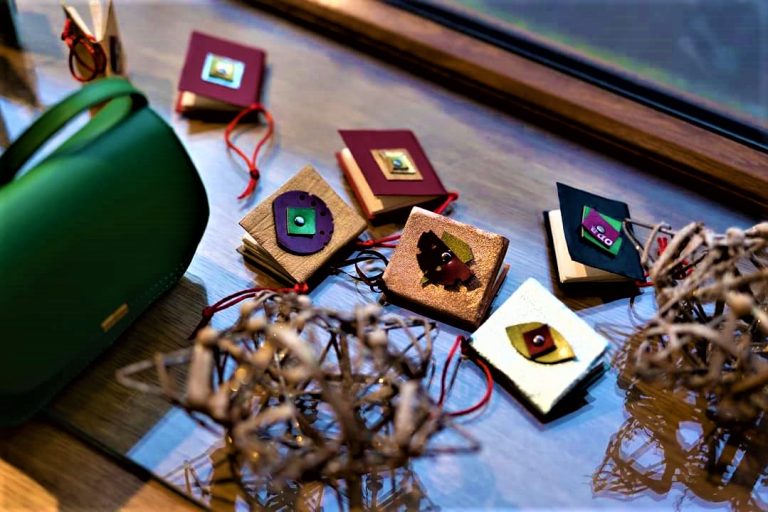
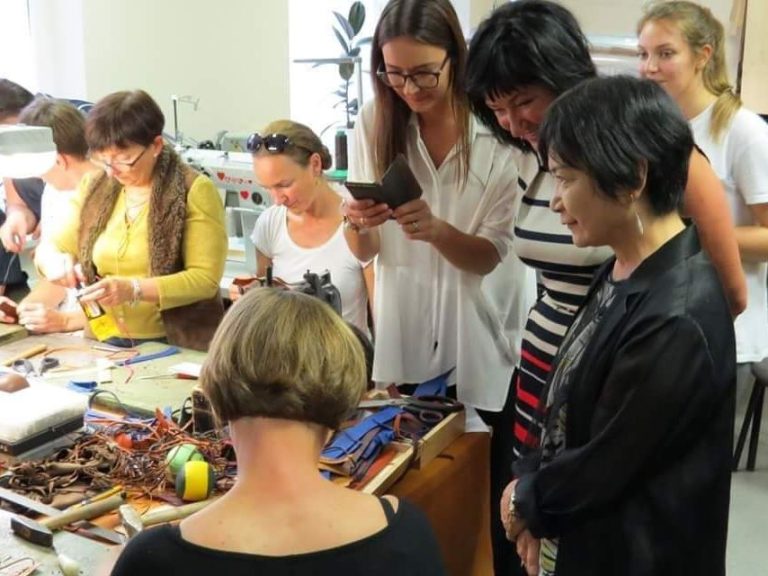
“Nauja Sirena” (Leather Gallery). Here you can see artistic leather goods created by combining the latest technologies with traditional leatherworking expertise. The gallery offers educational activities during which you can make a bracelet or another small leather item. Nauja Sirena
10. “Meno Niša” Gallery (Exhibitions), 1/13 J. Basanavičiaus St.
“Meno Niša” Gallery. The gallery regularly hosts exhibitions by artists from Vilnius, Lithuania and abroad. Here, you can also learn the enamelling technique, in which coloured enamels are applied to the surface of an enamelled object, usually in a single colour, and the dried object is then fired once or several times. Educational activities for children and families are also held here. Meno Niša Gallery
11. Black Ceramics Centre, 20 Naugarduko St.
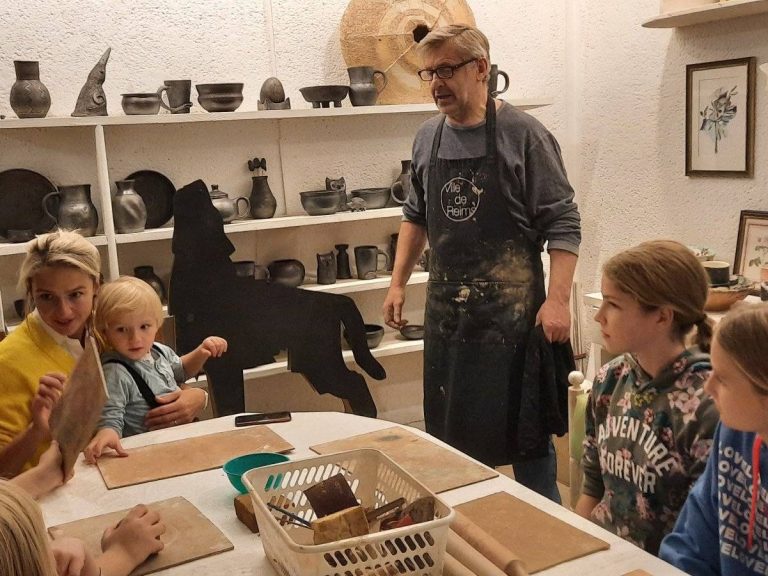
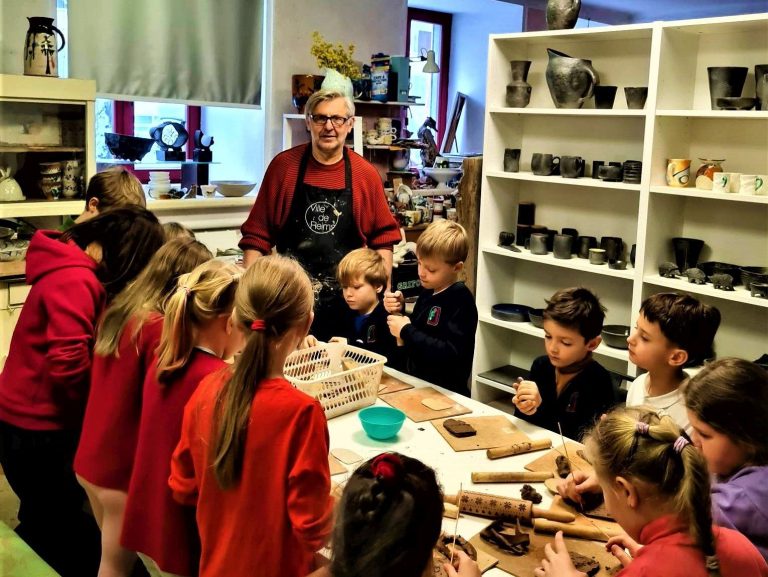
Black Ceramics Centre. This is the only place in Vilnius where you can learn about the production process of black ceramics. The centre offers black ceramics workshops, including demonstrations of throwing and hand-building techniques, texturing ceramic surfaces, and polishing. The centre was established to preserve the distinctive black-firing technique and share this knowledge and experience. Black Ceramics Centre
12. “Vita Antiqua” (Textiles), 16/5 J. Basanavičiaus St.
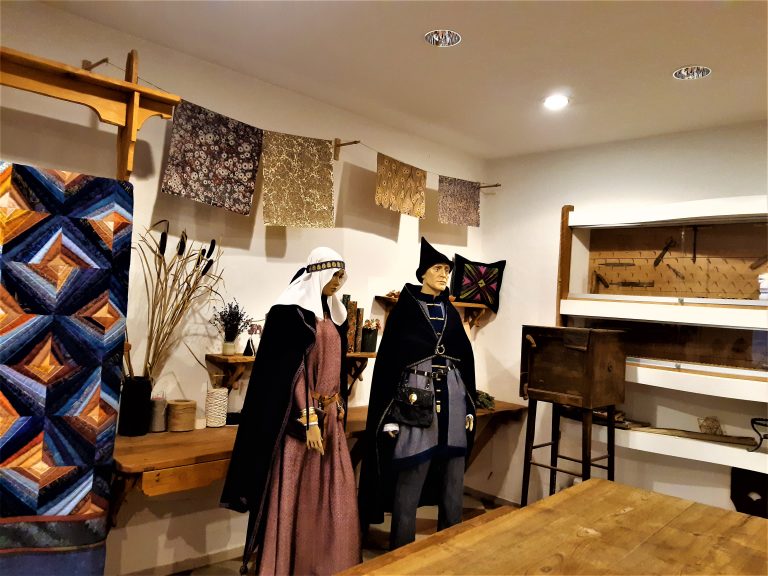
“Vita Antiqua”. Translated from Latin, Vita Antiqua means “Ancient Life”. This workshop researches prehistoric and early historical cultural heritage and reconstructs textiles, woven bands and ancient garments based on archaeological textile remains. Various traditional textile techniques are also recreated, including dyeing wool and silk with plant-based dyes, weaving on vertical and horizontal handlooms, knitting with a bone needle, and braiding, twining and weaving bands. The craftspeople share their knowledge and experience through educational activities, while researchers present their findings through public lectures and publications. Vita Antiqua